
Why Approvals Matter for Hazardous Location Equipment
We touched on approvals for hazardous location equipment in an earlier post, but the topic deserves an article of its own: the stakes are high, and there is a lot of confusion out there. After more than 60 years in this business, we still get questions about it all the time, and we often find unapproved or inaccurately approved devices in use in the field. That is dangerous, and it can get people into trouble with the law, their insurance company and more. It’s no wonder it happens, though: the approval process is a bit of a maze. Let’s see if we can clear some of it up.
Why does hazardous location equipment need approvals?
As we described in that post, hazardous location equipment is used in areas where there is enough flammable gas, grain or dust in the air to fuel a serious explosion or fire. Ever had a static spark off a doorknob? That small spark, which doesn’t hurt you in most cases, can have enough energy to ignite the gas, grain or dust in a hazardous location. So any spark, from static electricity to current electricity, has to be avoided or controlled in a hazardous location.
Static bonding and grounding (the process of avoiding a static spark) is a topic of its own. For now, you can start to see why electrical equipment has to be specially designed for use in hazardous locations. There is always a risk of electrical sparks when you work with live current, and that risk has to be controlled. There are many tried and tested ways to control it, which has led to standards that all electrical equipment for hazardous locations has to be measured against. An approval from an accredited standards body recognizes that the device has passed these standards and is safe to use. Without these standards and approvals, how would you really know you’re safe when you use electrical equipment in a hazardous location?
What does a proper hazardous location approval look like?
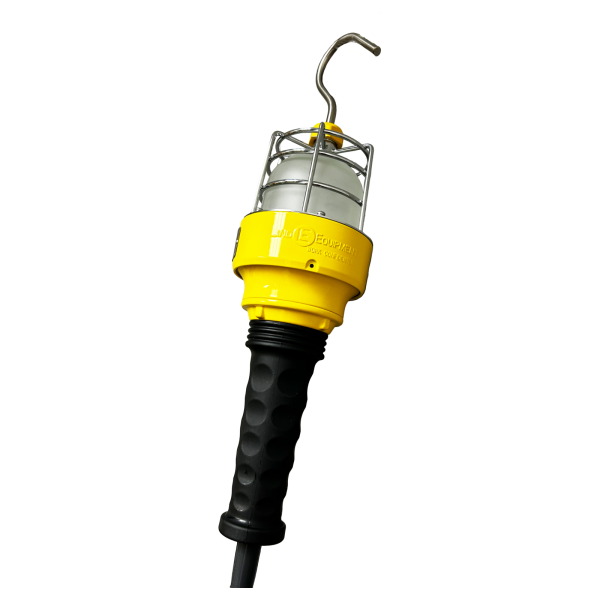
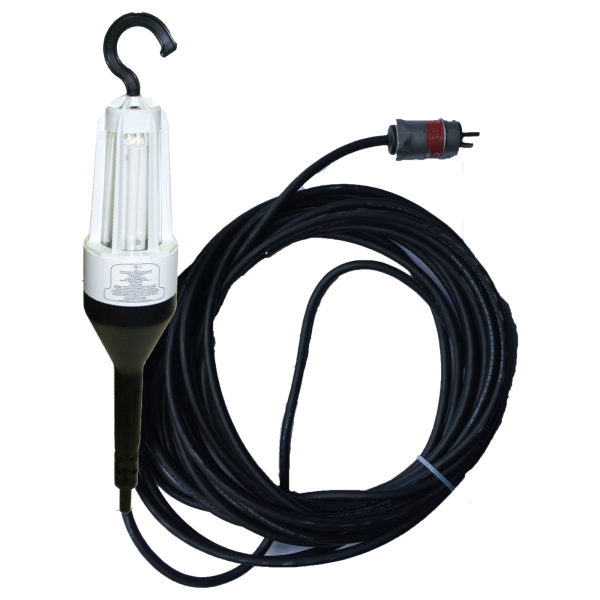
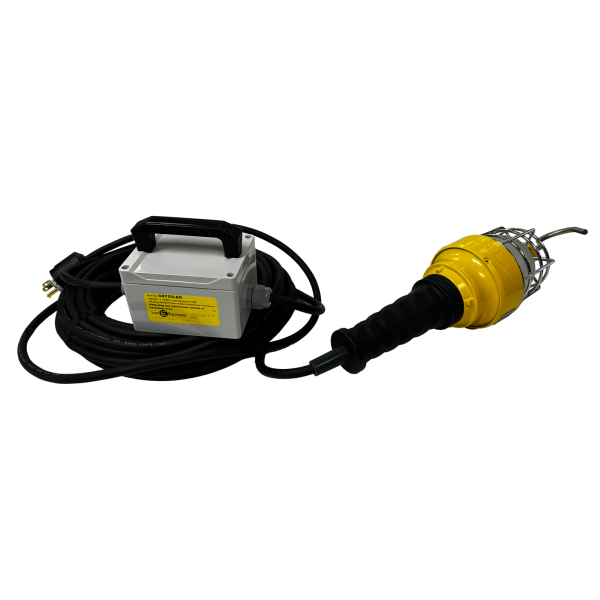
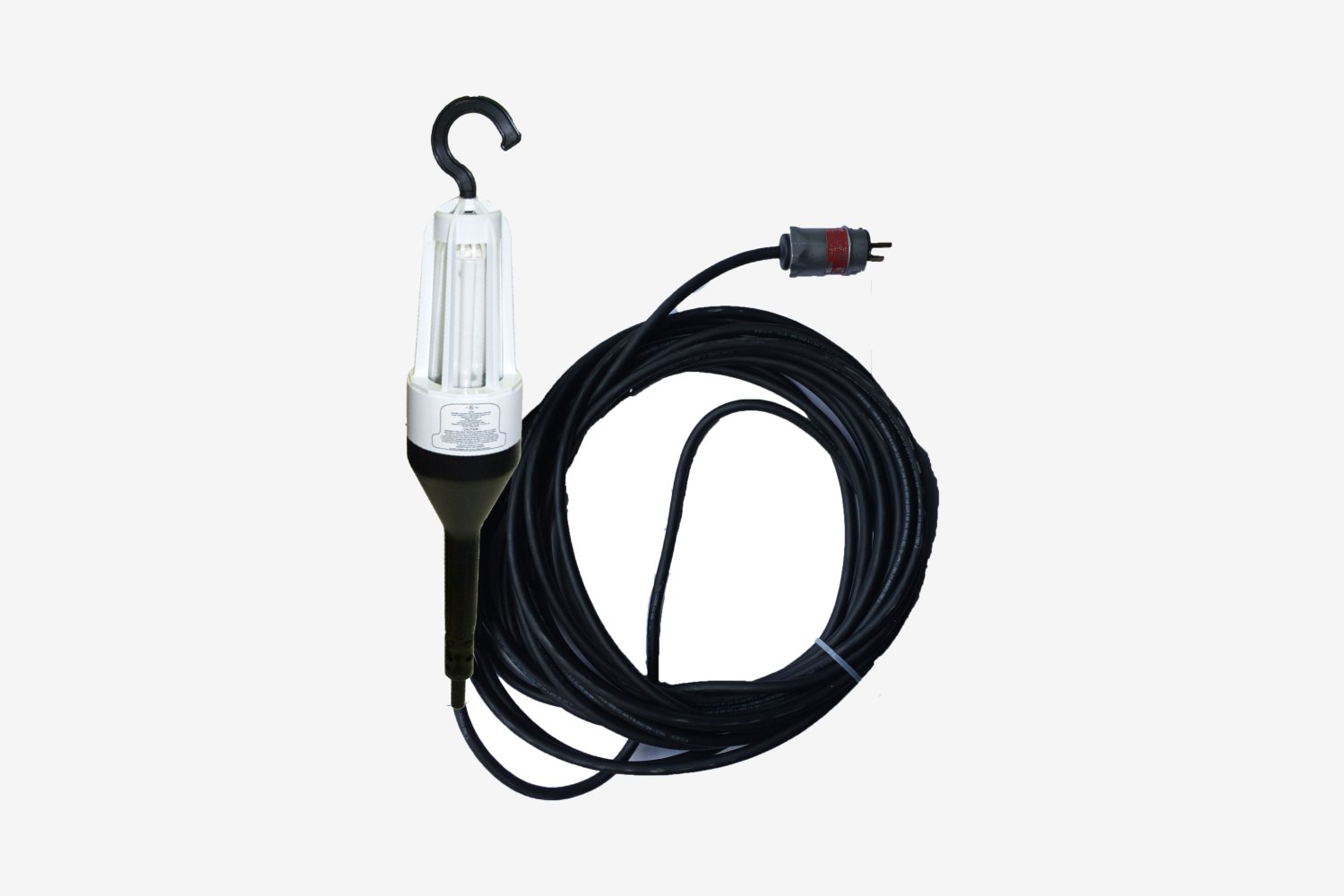
In North America, all electrical equipment used in hazardous locations must prominently display the areas it is approved for. Our explosion-proof lights, for instance, all have a metal plate firmly attached to the light that shows their approval status.
Take the plate on an XP162 explosion-proof incandescent hand lamp. The UL stamp in the upper middle of the label has a “c” and a “us” on either side of it. That means that for the Class and Division shown (Class I, Division 1, Groups C&D), UL has approved the light to both Canadian and US standards. The stamp also states that the light is certified as “portable lighting for hazardous locations”. All hazardous location equipment will have a similar stamp.
What do “Class”, “Division” and “Group” mean?
These are the specific types of hazardous locations the item is certified for. Strict standards on operating temperature, material thickness and more decide which types of gases and dusts the item can operate in and still keep the operator safe. You can read more in our primer on hazardous locations. Never use an item in an area it isn’t approved for.
Is there a difference between Canadian and American approvals?
In short, yes. Hazardous location equipment has to be approved for Canada or for the US, depending on where it will be used. In Canada, you cannot legally sell a piece of electrical equipment unless it is approved specifically for Canada. And from an insurance point of view, you also shouldn’t use a device that isn’t approved for use in your country. Many of the standards are the same or similar between Canada and the US, but there are differences, and they have to be respected.
Accredited standards bodies such as UL, CSA and ETL typically show a Canadian approval by adding a small “c” before their logo. A dual approval can be shown with a small “c” and a small “us” on either side of the logo, as UL does.
Look for these marks. If anything is unclear, call the standards body or the manufacturer and ask. Better safe than sorry.
Who can approve hazardous location equipment?
In Canada and the US, a number of accredited standards bodies can approve hazardous location equipment. Canada keeps a list of them through the Standards Council of Canada, grouped by the kinds of approvals each one is allowed to give. For our purposes, look for a body that can approve hazardous location luminaires and portable luminaires for hazardous locations. The most common accredited standards bodies for explosion-proof and hazardous location lighting are CSA and UL.
The most common mistakes
We asked around our team and put together the most common mistakes customers make when they buy explosion-proof or hazardous location lighting.
1. The Light Isn’t Approved for Canada
This is the most common issue we see. Someone finds a light with UL (or equivalent) approval for the US, and the customer assumes it can be used in Canada as well. Many explosion-proof lights are approved in the US but not in Canada, because of the temperature level of the bulb they use. Using one of those lights in Canada can be illegal and can void insurance policies. Make sure the light has Canadian approval. All of our lights have Canadian approvals, and if you aren’t sure about a light you’re thinking of buying, we’re happy to help.
2. Approved Only as a Fixture, Not as a Portable Light
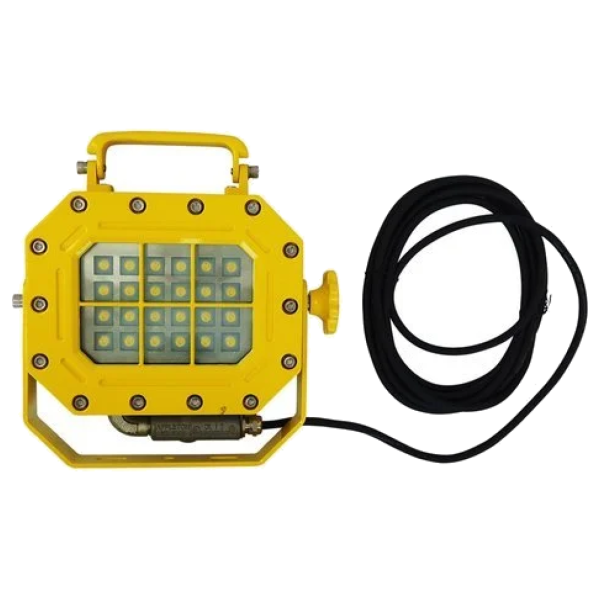
There is a difference between a light (a “luminaire” in approvals language) approved as a fixture and one approved for portable use. A fixture is a light permanently mounted to a wall or ceiling. A portable light is just that: portable. Each kind of light has its own approvals, and using an approved fixture as a portable light is not allowed. Many companies modify approved fixtures to make them portable, which voids the approval in Canada. Make sure the portable light you buy is approved for portable use. Otherwise, you’re using an unapproved light.
3. Approved for the Wrong Class, Division or Group
People often think they’re getting a deal by buying a Class I, Division 2 light, and then use it in their Division 1 areas. Again, that is an unapproved use, and it could get you into trouble. There are reasons why a light is only approved for Division 2, and for those same reasons it shouldn’t be used in a Division 1 area. In the same way, people use lights approved for the wrong Group.
4. The Light Isn’t Approved at All
We often see people use a “vapour-proof” light, thinking it is explosion-proof. Or they look at some of our industrial lights and assume those are also explosion-proof or approved for hazardous locations. The easy answer: if a light doesn’t specifically claim to be approved for hazardous locations (with a mention of the Class, Division and Group), it probably isn’t approved. Better still, look at the product itself. Does it have a stamp showing its approvals? If not, it isn’t approved, period.
Why we take approvals seriously
We hope this helps explain why we’re so careful about approvals at Lind Equipment. Hazardous location equipment, whether it’s lighting or static bonding and grounding products, is used in very tough locations and should be treated with respect. We wrote this to help keep you safe and to let you Work Confidently, knowing that Lind Equipment is on your side. As always, we’d like to hear your questions and feedback, so get in touch.