4 min readGuide 3 of 11
This guide comes from a presentation that we gave to a corporate group on the myths of static bonding and grounding. We bet that you will find some habits in it that you do now and do not need. You may also find some that you should stop.
All materials are normally electrically neutral. Static electricity occurs when two substances move against each other. This movement redistributes electrons from one material to the other. One material then has a positive charge, and the other material has a negative charge.
Static builds up only if one of the materials has a high resistance to electrical flow, for example an insulator. The static charge stays on an object until it dissipates to ground or a discharge neutralizes it.
When a static charge is strong enough (several thousand volts), it can create an arc and “jump” through the air. The discharge has a very high voltage. This voltage lets the electricity push through air, which is a poor conductor.
The static shocks that people generally feel have a very low amperage. That is why there is no danger of electrocution. The obvious exception is lightning. Lightning is a static spark that contains a massive amount of energy.
Many different operations generate static electricity:
These factors influence static generation:
Bonding connects two materials to each other. This equalizes the electrical potential between the two objects.
Grounding gives the electrical charge a path to the earth. This dissipates the charge completely.
Safety bodies such as OSHA and NFPA prescribe bonding and grounding whenever someone handles flammables. But they often do not prescribe exactly how to bond and ground. As a result, there are many misconceptions. Here are four of them.
It takes only 0.2 to 0.3 mJ of energy to ignite vapour from hydrocarbons. A static discharge from a human body can exceed 0.4 mJ.
Static discharge accidents cause dozens of deaths and injuries, and millions of dollars in damage, across a wide variety of sectors.
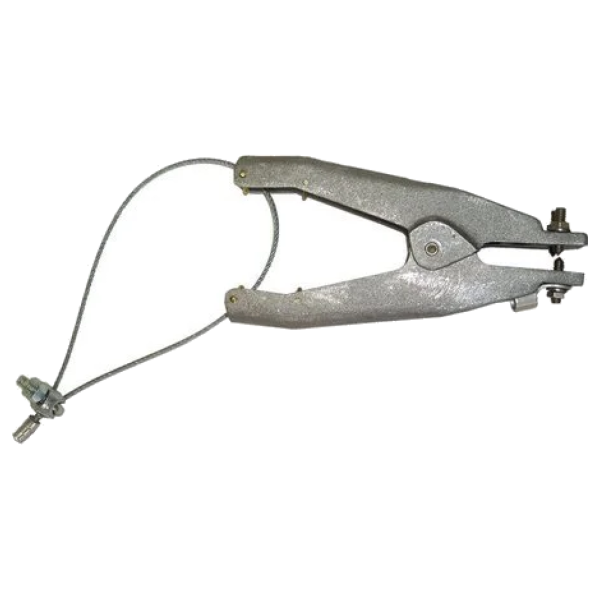
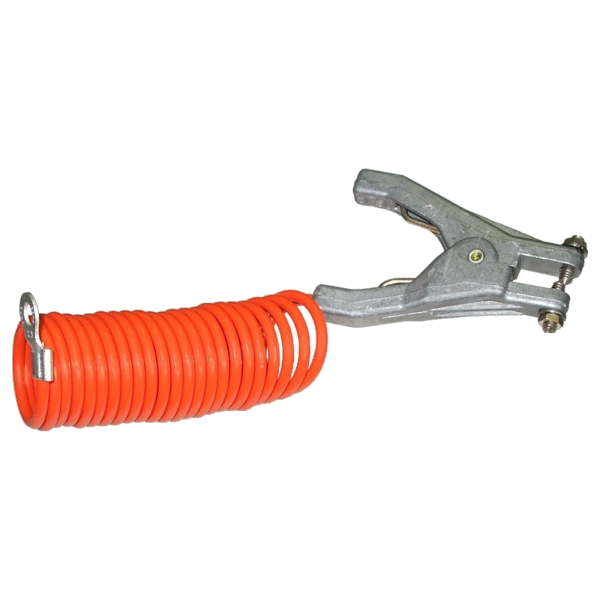
Many operators assume that any spring-loaded clamp or “C” clamp is equally effective for static grounding. As a result, operators often use welding clamps or jumper cables.
Welding clamps and jumper clamps are made for a different application. Because of this, they have relatively weak springs and small or flat points. This causes two problems:
Inexpensive alligator clamps are not meant for frequent use. They may break or fail in the field.
Operators often confuse the principles of electrical grounding with the requirements for static grounding. As a result, many procedures specify electrical-style copper cable for static grounding applications.
The industry standard for static grounding cable is a resistance of 10 ohms or less. This means that for most applications, you can use a cable that is smaller, easier to manage and less expensive.
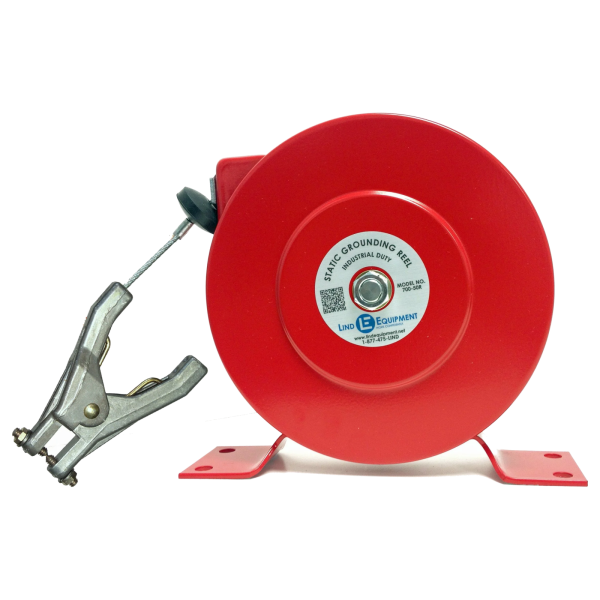
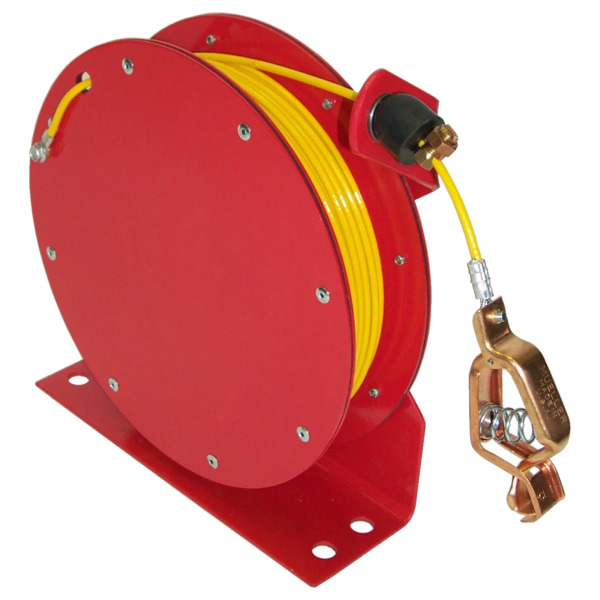
Materials such as 3/32″ or 1/8″ galvanized or stainless steel easily conduct static. These cables are often less expensive, more durable and easier to transport. They also let you use cable reels, high-visibility cable and special coated cable.
People often believe that bonding techniques alone are enough to eliminate the risk of static ignition. As a result, many operators rely only on static bonding methods in the field.
In reality, bonding only makes sure that two objects are at the same electrical potential. Because of this, electricity cannot jump between the two objects.
But if the two objects are isolated from ground, they can still hold an electrical potential. This potential could create a spark if a third material (for example, a person) is introduced.
It is always best to bond and ground. This makes sure that the potential energy is zero.
Do you have questions about your application? Contact us. To see the equipment, browse our static bonding and grounding products.
Call us, email us or send the form, and the right team will get back to you.