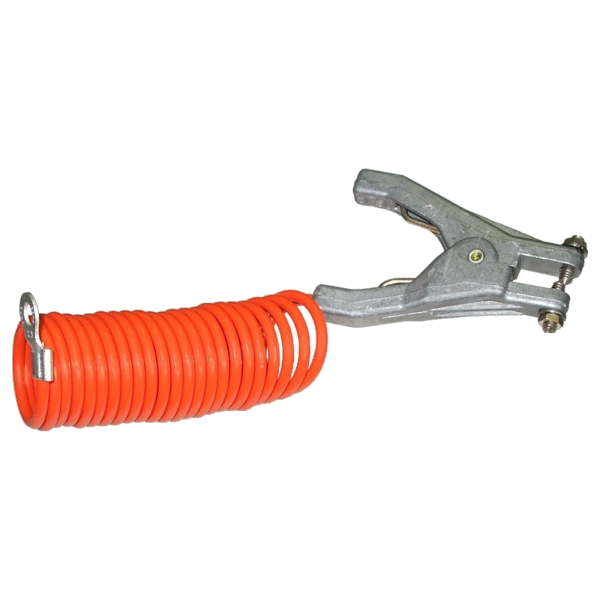

Fire codes throughout North America require static grounding during the transfer of flammables. US federal and state safety codes, including OSHA and NFPA, require static bonding equipment during the transfer of flammable liquids. This equipment reduces the risk of a static discharge.
Our other static safety guides explain how to ground static indoors and outdoors. All of those methods have one thing in common: they need a “known ground” point that is already in place. The static drains to that point. So what do you do when you must ground static in the middle of nowhere?
Picture a fuel tank truck that overturns on the highway. Some of the fuel may spill, but it is likely that a large quantity stays in the tank. That fuel must go into a serviceable truck for transport. The tool for this job is a vacuum truck. It removes the fuel from the tank and puts it into another vessel.
The transfer of liquid through a pipe or into another vessel generates static electricity. At a fuel spill, a static discharge is a risk that you cannot accept. But at the roadside, you have no known ground point for the three vehicles: the overturned truck, the vacuum truck and the receiving truck.
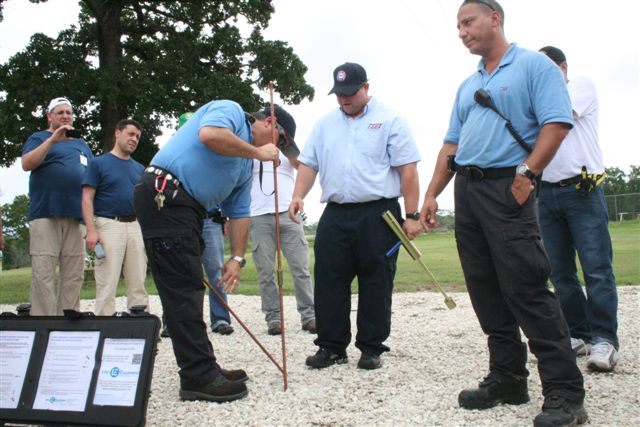
The solution is to make a known ground point at the scene. To do this, you need the right tools. That is the reason for a remote static grounding kit.
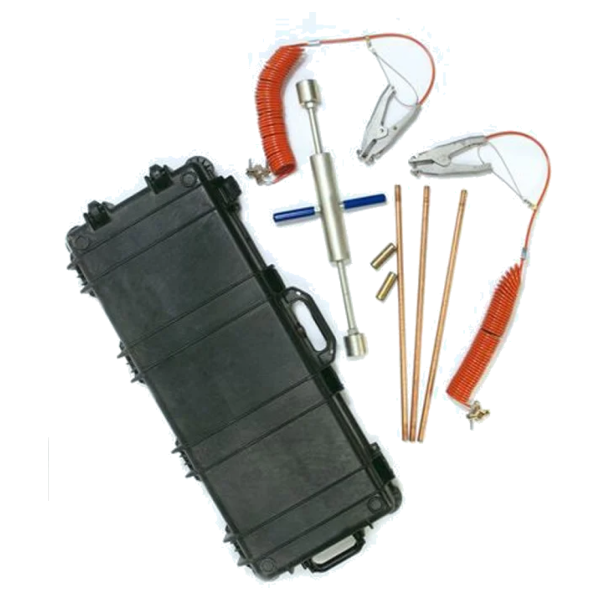
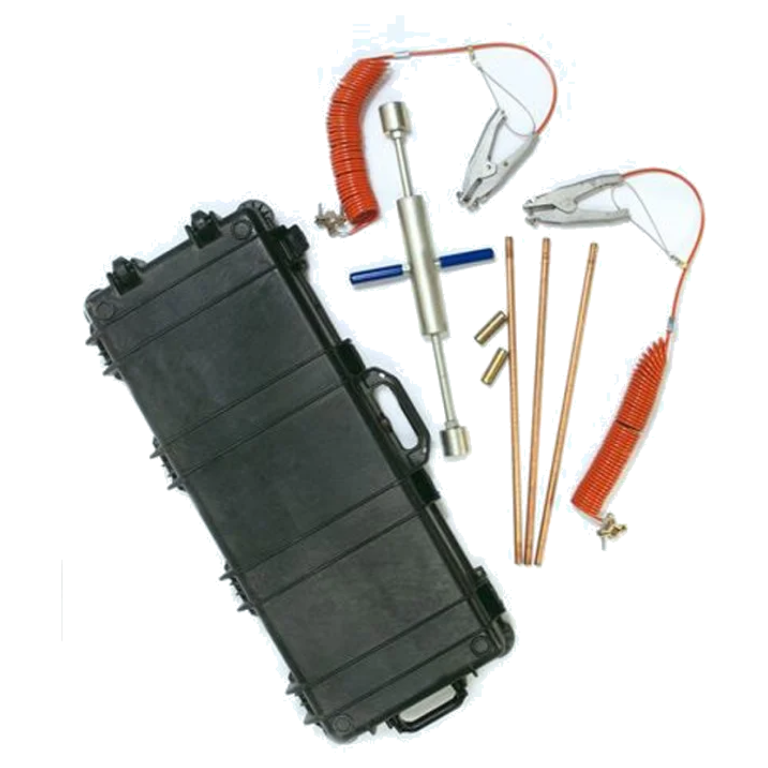
Our Mobile Static Grounding Kit (LE-ERK1) is designed for emergency responders, fire departments and hazmat teams. It contains all of the tools necessary to static ground trucks and equipment during the transfer of flammables in a remote location.
The laminated instructions in the lid explain the set-up and use. The crew can follow them at the roadside.
Accidents such as fuel tank rollovers need proper grounding before the flammable liquid moves from one tanker to another. The kit gives hazmat teams all the necessary items to eliminate the static discharge at an accident scene. Everything comes in one portable, rugged case that is easy to set up.