
Static grounding can be overwhelming. We get it. The industry has no good guidelines on which equipment to use for which job. OSHA and NFPA regulations require static grounding, but they do not say how to do it. This quick guide helps you choose the right static grounding clamp.
The best way to choose a static grounding clamp is to look at the application. Ask these three questions:
Remember, you always want to drain static electricity from metal containers. Plastic containers do not release static easily. They keep the charge until it is too late, and then they discharge it in a spark. For background, read our Static Bonding and Grounding Primer.
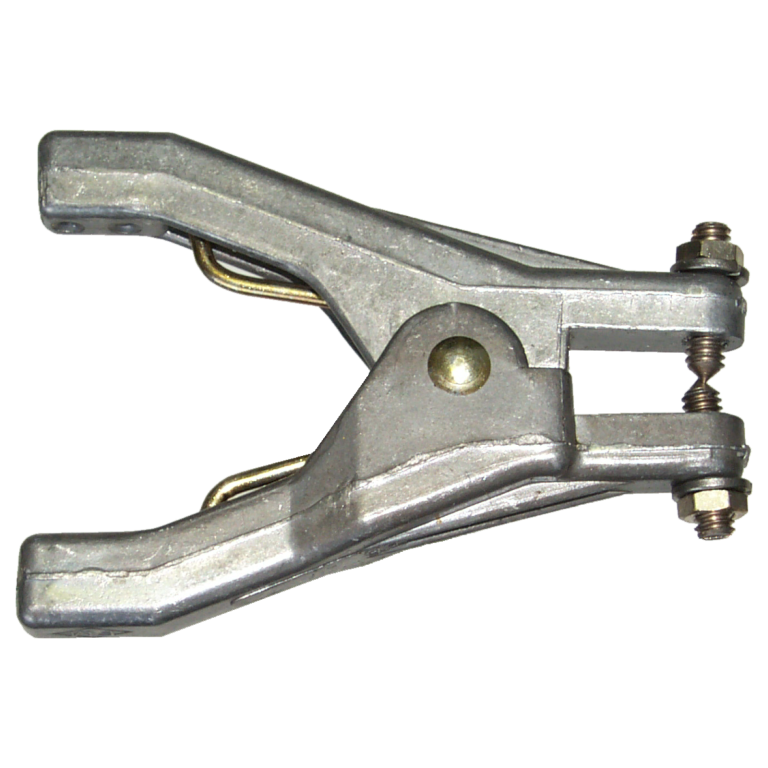
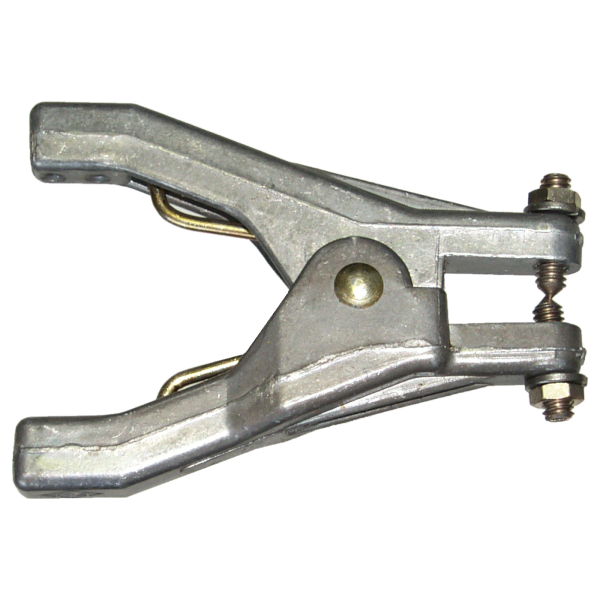
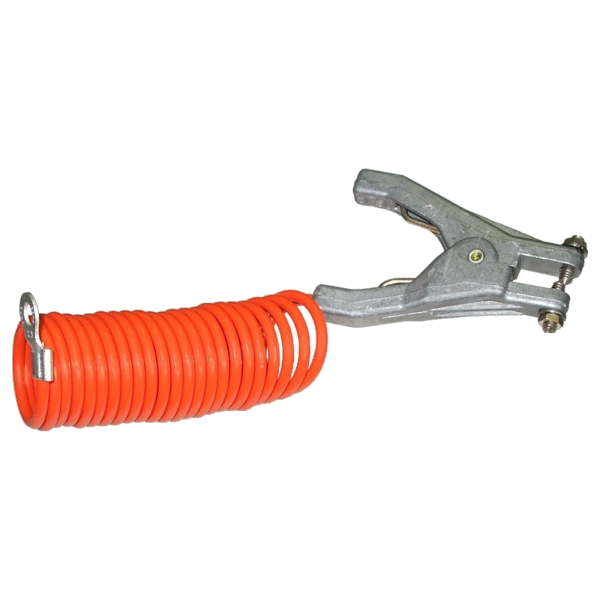
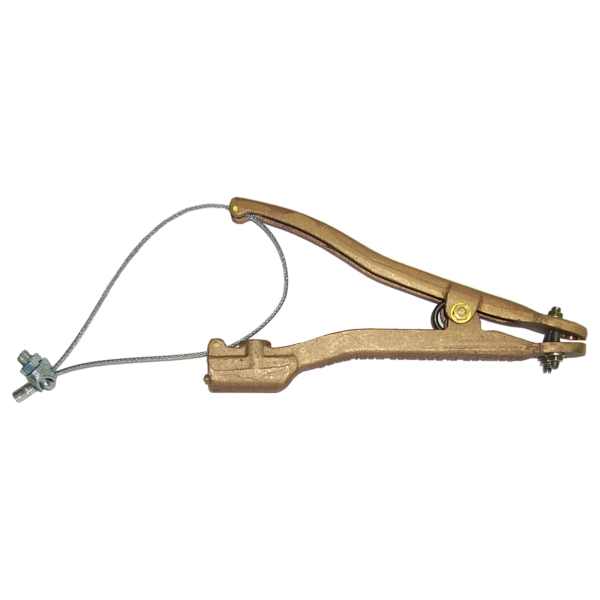
For these applications, use a clamp with sharp teeth and a strong grip. The clamp must also be the right size, so that it is easy to use and economical to buy. The REB Hand Clamp has the right size and design for this application. It is the clamp you need for 90% of static grounding requirements.
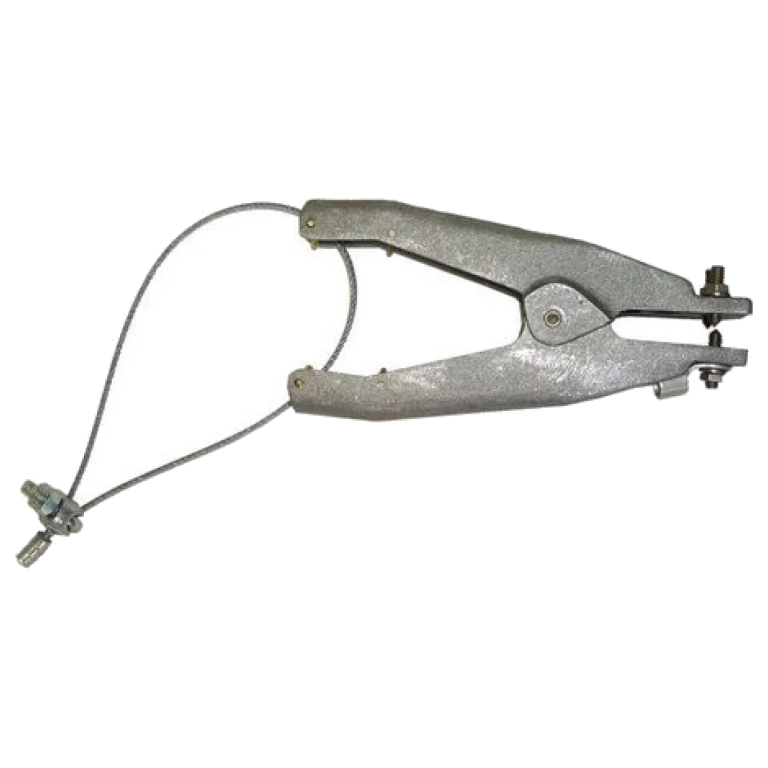
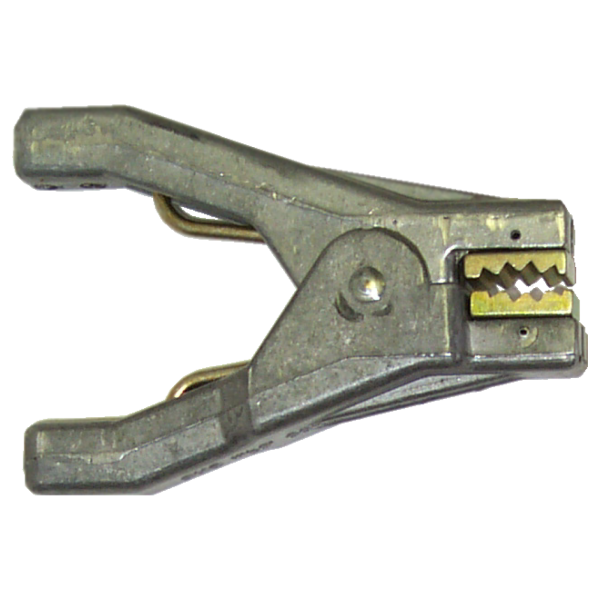
Larger equipment, such as trucks or rail cars, also needs a strong clamp with sharp points. The points must get through the dirt, paint and rust that you find on outdoor vehicles. The REB does not work well here. Its jaws do not open wide enough to go around struts or other pieces of structural metal on these vehicles.
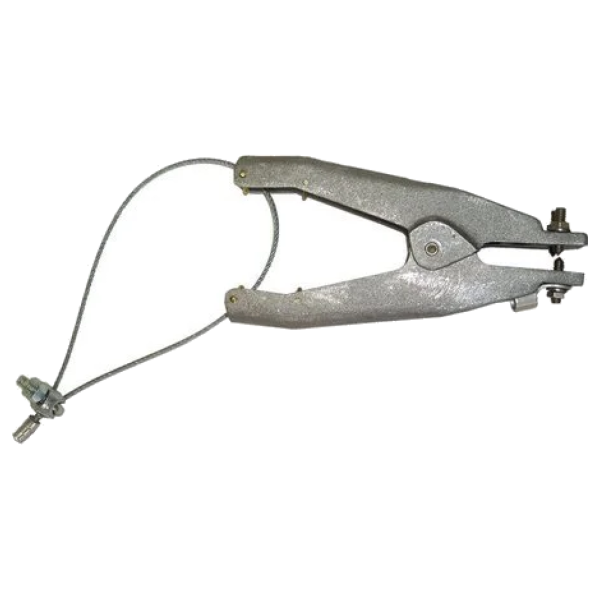
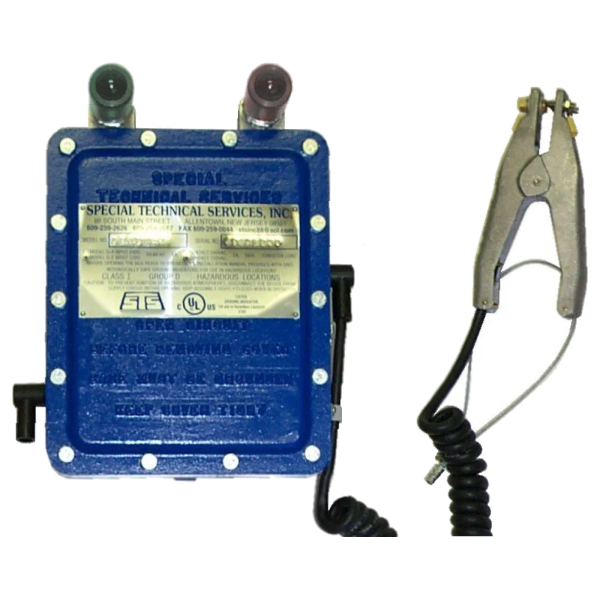
Your best choice is the GAT clamp, our most popular large clamp, or the G40 Series Hand Clamp. Both clamps also come with options for static ground monitoring systems, such as our G2 Series Ground Monitoring Systems.
The GAT clamp comes in four teeth configurations:
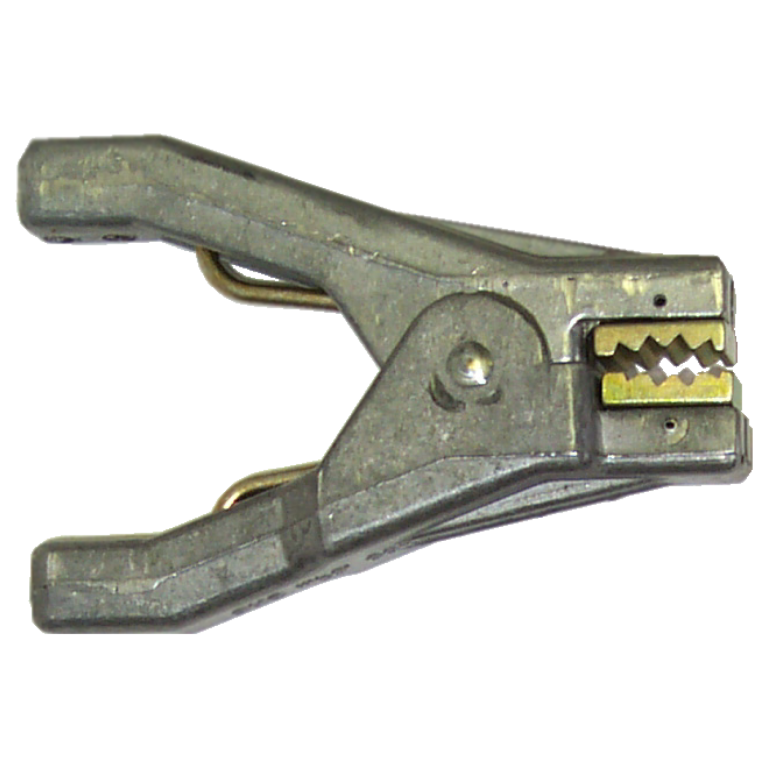
Aircraft need grounding for two reasons. Jet fuel is very flammable, and refuelling a plane creates a lot of static electricity. But aircraft are different from drums, trucks and rail cars. They are made of very soft metal to reduce their weight. A clamp with sharp teeth, such as the REB or the GAT, will leave the aircraft full of holes.
Use the ALS10A (MIL-SPEC M83413/7-1) instead. Its teeth are not sharp, and they sit on a curved surface. This lets the clamp grip unpainted landing struts easily.
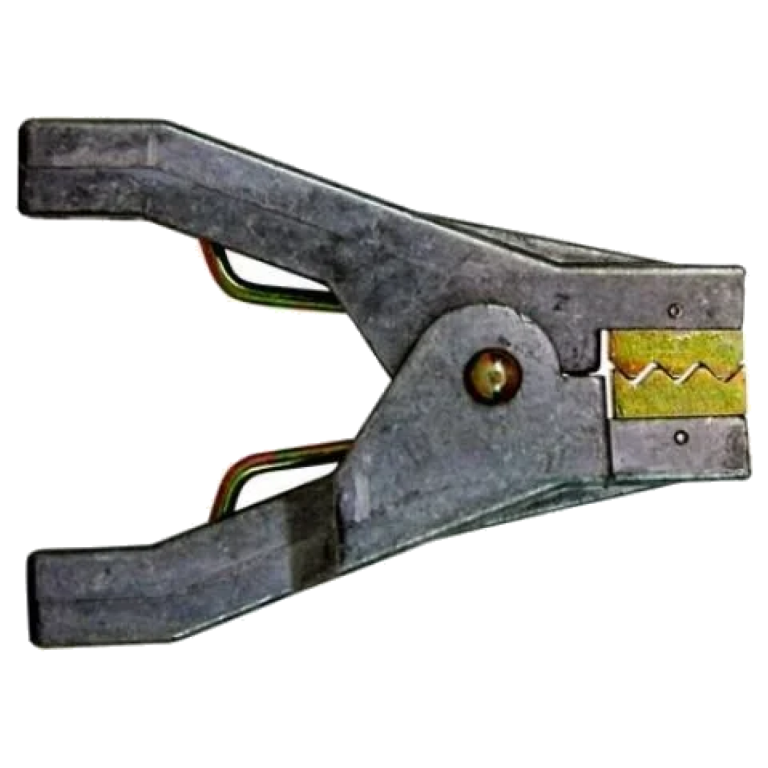
On very rare occasions, you need a sack to transport materials that generate static. The recommended style is the FIBC Type C supersack. FIBC means Flexible Intermediate Bulk Container. Several suppliers sell Type C supersacks. These sacks have interwoven fibres that conduct electricity. Tabs at the ends of the fibres drain the static electricity.
The ALS10B clamp is designed for this application. It holds on to the tabs of the Type C supersack and drains the static.
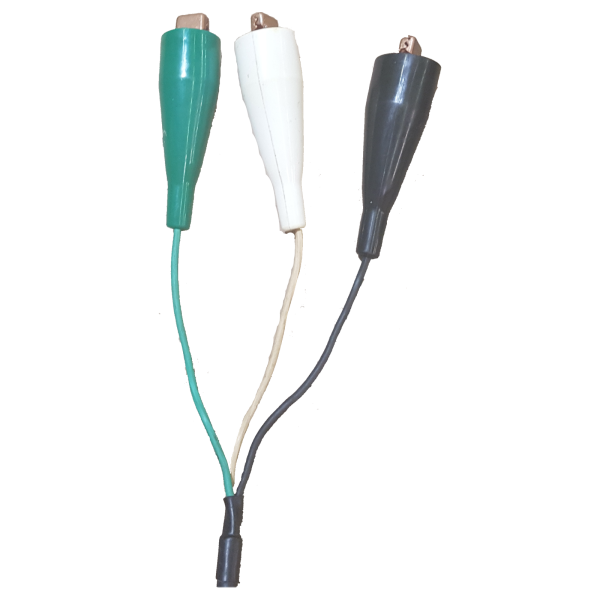
To be direct, we do not love alligator clips for most static grounding applications. We do not like battery clips (jumper cables) for any static grounding application. Battery clips are not designed with the strength to hold on during any activity. Their springs are not strong enough to push the teeth through paint, dirt or rust and make good metal-to-metal contact.
Alligator clips do work well in some applications: indoor grounding on unpainted surfaces. But you must be sure of three things:
If one of these is not true, the alligator clips will not work. And you will not know until it is too late. See our LE-21C Series Alligator Clips.
Not sure which clamp fits your job? Contact us.